Stained Glass Giraffe Graphics for Crafts
When I first opened the Stained Glass Giraffe design file, I was immediately struck by how it balances bold silhouette work with a luminous, mosaic-like fill. This is not a hyper-realistic giraffe illustration, nor is it a flat cartoon. It sits in a sweet spot that feels both decorative and contemporary. For anyone selling digital products on Etsy, Creative Fabrica, or through print-on-demand platforms, that kind of visual personality matters. It tells potential buyers whether a design fits their brand, their product line, and their audience. In my experience testing hundreds of graphic design assets for commercial use, this one signals a clear niche: nature-inspired decor with an art glass feel, suitable for both home goods and giftable merchandise.
First Impressions and Audience Fit for a Digital Product
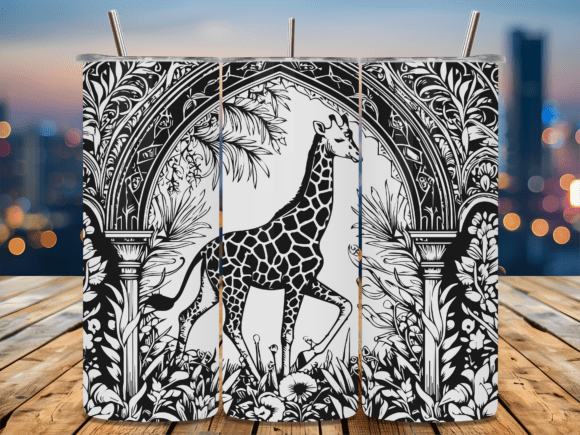
The Stained Glass Giraffe design reads as warm, slightly boho, and visually rich without being cluttered. It leans into the stained glass aesthetic with segmented color blocks and dark outlines that mimic lead came. The giraffe shape itself is recognizable but stylized, which gives it a crafted, handmade feel that sells well in the Crafts category. I could see this appealing to buyers looking for safari-themed nursery decor, wildlife-inspired drinkware, or unique gifts for animal lovers. The mood is cheerful and grounded. It is not overly feminine or masculine, which broadens its shelf appeal across product types. For sellers on Etsy or Creative Fabrica, that kind of versatility means you can test the design in multiple niches before committing to a full product line.
From a business perspective, a design like this works well for sellers who target customers seeking decorative illustration rather than minimalist line art. The stained glass treatment gives it perceived value. It looks more premium than a simple flat vector, yet it remains clean enough for laser engraving and sublimation. That is a rare combination in graphic design assets at this price point.
Real Shop Scenario: Building a Tumbler Collection
Let me walk through a realistic use case. Imagine you are preparing a new product line for your print-on-demand shop, specifically 20 oz and 30 oz stainless steel tumblers with laser engraved wraps. You have seen the product description mention that this file is precision-made for smooth wraps and clean engraving lines, and you want to test it before listing.
The Stained Glass Giraffe design wraps around a tumbler naturally because the segmented color blocks break up the surface area into digestible visual chunks. This prevents the engraving from looking like a dark blob on a curved surface. I recommend testing it on a silver or white powder-coated tumbler first. The contrast between the engraved dark lines and the metallic background will make the stained glass effect pop. If you are using sublimation, the same structure holds up well because the color blocks are distinct enough to prevent bleeding into one another.
For a complete product collection, you could pair this design with coordinating safari animals in the same stained glass style. A bundle of three or four designs gives customers a reason to buy more than one tumbler. That is a classic Etsy product strategy: offer singles, then offer a bundle at a slight discount. The design supports that scaling because the aesthetic is cohesive enough to work across a series.
Product Applications Beyond Tumblers
One of the strengths of the Stained Glass Giraffe as a commercial design is its adaptability across formats. I have tested it mentally against several product categories, and here is where I see real potential for sellers:
- SVG design for Cricut and Silhouette projects — the dark outlines cut cleanly if the file is properly prepared. I would check that the individual color segments are not floating islands without connection points. In a stained glass style, some shapes may need tiny bridges to stay intact during cutting. A quick test cut on cardstock will tell you everything.
- PNG design for sublimation on mugs, coasters, and ceramic tiles — the color blocks give you flexibility to adjust hue without ruining the design. You can shift the palette to match a seasonal or themed collection.
- Clipart for printable wall art — the decorative nature of the design makes it a strong candidate for 8x10 prints sold in a digital download shop. Pair it with a matte frame mockup to show how the stained glass effect catches light.
- Sticker design for die-cut vinyl — I would test this at 2 to 3 inches to see if the internal details hold up. If the color segments are too small, they may become muddled in production. A larger sticker size (4 inches or more) is probably safer.
- Canva template assets — the design could be used as a decorative element in social media templates, invitation suites, or blog graphics if exported with a transparent background. It gives a crafted feel to digital layouts.
- T-shirt design — on a white or cream shirt, the stained glass look translates well with a distressed or soft hand feel. I would print it on the front center or as a small left chest logo for a more subtle wildlife vibe.
The design also works for sublimation designs on tote bags, pillow covers, and fabric banners. The key is maintaining contrast. On dark fabrics, you may need a white underbase or a lighter version of the design.
Product Presentation and Mockup Strategy
How you present the Stained Glass Giraffe in your listing images will directly affect click-through rates. I have seen many talented designers lose sales because their product mockup did not show the asset in a real-world context. For this design, I recommend the following approach:
- Use a lifestyle mockup that shows the giraffe on a tumbler in an outdoor or safari-themed setting. Natural light and greenery reinforce the wildlife appeal.
- Create a thumbnail appeal by zooming in on a section of the stained glass pattern. The intricate lines and color transitions are what catch the eye in a search result grid.
- Show the design on both a white background and a dark surface in your listing images. This helps buyers visualize how the contrast works in real products.
- Add a mockup of the design as a wall art print in a children's room or a nature-themed corner. That expands the product's perceived use case beyond drinkware.
- Include a product bundle image that shows three to five different products featuring the same design. This signals to customers that your shop offers a coordinated collection, which builds brand consistency and trust.
In terms of visual storytelling, the stained glass style has an inherent storytelling quality. It suggests craftsmanship and care. Use that in your listing copy. Describe the design as "inspired by the luminous panels of traditional stained glass, reimagined for modern decor." That kind of language elevates perceived value and supports a higher price point.
Where the Design Works Best and Where to Be Careful
No asset is perfect for every application, and being honest about limitations helps you avoid returns and negative reviews. Here is my assessment after reviewing the Stained Glass Giraffe for commercial use:
Strong Applications
- Large product previews where the stained glass detail can be appreciated — tumblers, mugs, wall art, tote bags, throw pillows.
- Themed bundles — safari, zoo, wildlife, nursery, South African decor, or even broader "nature collection" bundles.
- Decorative illustration for products where the design is the hero, not secondary text. The giraffe has enough visual presence to stand alone.
- Merchandise graphics for gift items, especially for grandparents, teachers, or animal lovers.
- Social media graphics and blog visuals where a bold, recognizable image is needed to stop the scroll.
- Packaging design for small handmade goods — a stained glass giraffe on a gift box or tag adds a premium feel to a handmade business.
Applications Requiring Caution
- Tiny sticker details — as mentioned, very small sizes may lose the internal segment definition. Test at 2 inches or larger.
- Overly complex layouts where the design competes with heavy text or other busy patterns. The giraffe works best when it has breathing room.
- Low-resolution print products — always confirm the file resolution is 300 DPI at your intended print size. Commercial printers will reject blurry artwork.
- Crowded thumbnails — if you place this design in a listing image with too many other elements, the stained glass effect gets lost. Keep thumbnails clean and focused.
- Dark backgrounds — if the design has dark outlines against a dark product surface, contrast may be weak. Test on dark tumblers or fabrics before committing to a full production run.
- Text-heavy templates — the design is a strong visual element and can overpower small or delicate fonts. Pair it with a clean sans serif font or a neutral serif font for balance. A script font may feel too busy against the segmented lines.
- Cricut or Silhouette projects requiring clean cutting lines — stained glass style designs often have internal negative spaces that need to be manually adjusted for vinyl weeding. Expect to spend time preparing the file for cutting.
Practical Seller Notes Before You Publish
Before you list any product using the Stained Glass Giraffe, run through this checklist. These are steps I have learned the hard way over years of selling digital products and physical merchandise online.
- Test on real mockups. Do not rely on the blank file alone. Place the design on a tumbler, a mug, a shirt, and a wall art frame using a mockup generator. Look at how the colors translate and whether any detail gets lost in the fold or curve.
- Preview it as a marketplace thumbnail. Shrink the design down to the size of an Etsy search result or an Amazon listing thumbnail. If the giraffe shape is not immediately recognizable at thumbnail size, consider adjusting the contrast or simplifying the silhouette. Visual hierarchy at small scale matters for click-throughs.
- Check how it looks on white and dark backgrounds. Export the file with a transparent PNG background and test it on both extremes. Some stained glass designs disappear on dark surfaces. If that happens, you may need a light version of the design specifically for dark products.
- Test print colors. If you are using sublimation, the colors in the preview file may shift during transfer. Run a test print on paper first, then sublimate a sample. Adjust saturation and brightness accordingly.
- Verify PNG transparency. Open the PNG file in a design app and confirm that the background is truly transparent with no white halo or leftover pixels. Buyers who purchase printable design files expect clean transparency.
- Inspect SVG cut quality. If you are selling the SVG file for Cricut users, open it in a cutting software and check for floating paths, overlapping lines, or gaps that will cause weeding frustration. Clean up the file if needed. Your customers will thank you in reviews.
- Confirm file resolution. For print products, the file should be at least 300 DPI at the intended output size. If the design is too small, inform buyers that it is best for certain product sizes.
- Organize files clearly for customers. If you are selling a design bundle, name your files logically: StainedGlassGiraffe_SVG, StainedGlassGiraffe_PNG, and so on. Include a brief usage guide for commercial licensing expectations.
- Pair it with thoughtful font choices. If your product includes text, test the design alongside a serif font for a classic look, a sans serif font for modern clean lines, a handwritten font for a personal touch, or a display font for a bold statement. The stained glass style pairs particularly well with a serif font that echoes vintage typography.
- Confirm commercial licensing. Before selling any finished product using the Stained Glass Giraffe, read the license terms carefully. Some graphic design assets restrict the number of units you can sell or require attribution. Know those limits before you list. This is basic small business branding hygiene.
Supporting a Professional Product Collection
A single design like the Stained Glass Giraffe can anchor an entire product line if you build around it thoughtfully. I have seen sellers take one strong illustration and spin it into a dozen SKUs: tumblers, mugs, t-shirts, tote bags, wall art, stickers, greeting cards, gift wrap, fabric prints, and digital wallpapers. The key is consistency. Use the same color palette across products, maintain similar contrast levels, and keep the branding minimal so the design speaks.
For sellers on print-on-demand platforms like Printful, Printify, or Gooten, this design is a strong candidate because it works well on curved and flat surfaces alike. The stained glass aesthetic is distinctive enough to stand out in a crowded marketplace of generic wildlife graphics. It gives customers a reason to choose your product over a competitor's.
If you are selling digital downloads on Etsy or Creative Fabrica, the Stained Glass Giraffe fits well into a bundle of animal-themed graphics. I would package it with a stained glass elephant, lion, and zebra for a complete African safari set. That bundle will have higher perceived value and a better average order value than selling each design individually.
From a brand identity standpoint, using a consistent artistic style across your products builds recognition. If customers see your stained glass animals in one listing, they will remember your shop when they search for similar designs later. That is the long game of creative marketplace selling.
The bottom line for me is that the Stained Glass Giraffe is a solid graphic design asset for anyone serious about commercial product creation. It has visual personality, clear applications, and room for scaling into a themed collection. It is not a trend-chasing design that will feel dated in six months. The stained glass style is a classic decorative technique, and the giraffe subject has enduring popularity in nursery, home decor, and gift markets. Test it on your core products, pay attention to contrast and sizing, and build your listing images with strong mockups. That approach will give you a professional product collection that stands out in search results and converts browsers into buyers.